

Categories
Know How, Real Estate ,Published January 10, 2026
Rising Prices, Shrinking Crews: How Minnesota’s Immigration Crackdown Could Make New Construction Homes More Expensive

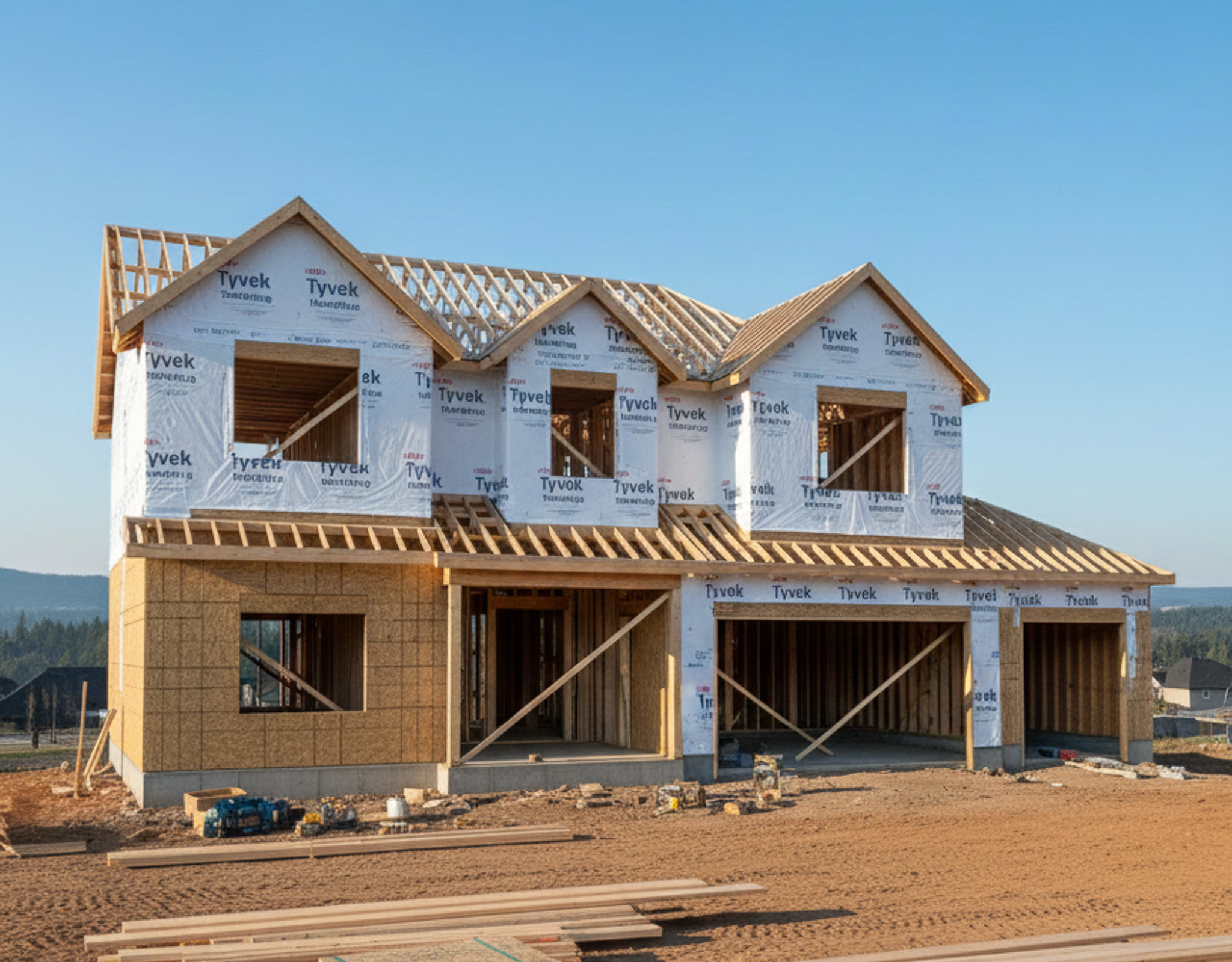
How Labor Shortages and Immigration Enforcement Are Reshaping Minnesota's New Construction Market
Minnesota's new‑construction housing market is caught in a squeeze between a severe shortage of skilled workers and escalating federal immigration enforcement that is reshaping who can legally work on job sites. For homebuyers, that combination is likely to translate into longer build times, more uncertainty, and continued upward pressure on the cost of a brand‑new home in the Twin Cities and across the state.
The Construction Labor Shortage Meets Immigration Crackdowns
The construction industry was already running lean on labor long before the latest enforcement surge. Nationally, builders have reported hundreds of thousands of unfilled positions, and recent surveys show that more than 90% of contractors are struggling to find enough qualified workers to keep up with demand. At the same time, a substantial share of the construction workforce is foreign‑born, which means immigration policy is not an abstract political issue—it directly affects staffing on active jobsites.
In 2025, stepped‑up worksite enforcement and high‑profile operations signaled a clear shift from paper audits to boots‑on‑the‑ground actions targeting industries with a high concentration of undocumented workers, including construction. For Minnesota builders, that shift has created additional uncertainty around who will actually show up each day to pour foundations, frame homes, and install roofs as federal agents apply new pressure across the region.
What's Happening on Minnesota Jobsites Right Now
Minnesota is not on the sidelines of this story. Federal immigration operations have already reached residential construction sites in the Twin Cities metro, with reports of agents surrounding active jobs and detaining workers in the middle of their day. Those enforcement actions, combined with a larger national crackdown, have intensified anxiety among workers and employers in trades that depend heavily on immigrant labor.
Even without a raid on a specific subdivision, the ripple effects show up quickly:
- Some subcontractors suddenly lose part of their crews and have to scramble to rehire, retrain, or reshuffle workers across multiple neighborhoods.
- Crews that remain may be spread thinner, covering wider geographic areas or juggling more jobs than before, which slows production.
- Smaller contractors that relied on informal hiring practices face new legal and financial risk, pushing them to cut back or exit the market altogether.
All of this is unfolding against a backdrop where Minnesota's immigrant workforce already plays a critical role in offsetting an aging population and a tight labor market. When enforcement sidelines part of that workforce, the practical result is fewer people available to build each home—even as the need for new housing remains high.
How Fewer Workers Drive Delays and Higher Prices
Labor is one of the biggest line items in the cost of building a new home, and when skilled trades are scarce, the math shifts quickly. Industry research has tied today's construction labor shortfall to longer build times—adding weeks or even months to typical project schedules—and to thousands of unbuilt homes nationwide each year. For Minnesota homebuyers, that often shows up as extended timelines after contract, especially on labor‑intensive phases like framing, roofing, exterior siding, and finish work.
At the same time, competition for a shrinking pool of qualified workers pushes wages higher. Builders who want to keep reliable crews in a high‑demand market like the Twin Cities frequently have to offer better pay, more consistent hours, or richer benefits—costs that ultimately factor into what they charge for each home. In a region already facing a housing shortage and strong demand for new construction, that upward wage pressure makes it difficult for prices to move lower, even if materials costs stabilize or mortgage rates ease slightly.
Multiple analyses of housing affordability now highlight construction labor as a key bottleneck driving higher prices nationwide, with new‑build homes carrying a notable premium over resale properties largely because of land and labor costs. As immigration crackdowns tighten the supply of workers further, Minnesota builders are likely to face even more pressure to raise prices or reduce incentives rather than discount aggressively.
What Minnesota Buyers Should Expect From New Construction
For buyers considering building a new home in Minnesota over the next few years, these labor and policy dynamics have very real implications. While every builder and community is different, several themes are emerging across the market:
- Longer and less predictable build times – With fewer workers and more jobsite disruptions, builders may extend advertised timelines or lean on broad "estimated" completion windows, particularly for larger or more customized homes.
- Less room for deep discounts – When labor is expensive and in short supply, there is less incentive for builders to discount aggressively, especially in desirable Twin Cities locations where demand remains strong.
- Wider gap between strong and weak operators – Builders that invested early in documentation, training, and stable subcontractor partnerships tend to navigate enforcement more smoothly, while others risk repeated delays, change orders, or sudden workforce turnover.
The net result is that new construction pricing in Minnesota is more likely to stay elevated—or drift higher—than to suddenly roll back to pre‑shortage levels. Buyers who understand these forces can make better decisions about timing, builder selection, and which trade‑offs matter most: price, location, finishes, or time to completion.
How to Protect Yourself as a New Construction Buyer in Minnesota
Despite the headwinds, building a new home can still be a smart move—especially if you choose partners who are upfront about timelines and have a plan for navigating labor constraints. A few practical steps help tilt the odds in your favor:
- Ask your builder how they are managing labor and compliance, including whether they work with long‑standing subcontractor teams and what they are doing to reduce the risk of mid‑project disruptions.
- Focus on track record: communities with consistent delivery, fewer surprise delays, and a reputation for communication are often backed by more stable labor relationships behind the scenes.
- Build realistic timelines into your personal plans—such as lease‑end dates or home sale scheduling—so a modest delay does not trigger a major life disruption.
Working with a local new‑construction specialist who lives in this market every day can also help you distinguish between builders who are simply quoting optimistic dates and those who can actually deliver in a tight labor environment.
Ready to Build New in Minnesota? Here's the Next Step
If you are thinking about building a new home in the Twin Cities or the surrounding area, navigating today's labor pressures and policy changes does not have to be guesswork. A local new‑construction expert can help you compare builders, understand realistic timelines, and spot the communities that are better positioned to manage labor shortages without constant delays or surprise price jumps.
The best time to start is before you sign a contract. Reach out for a one‑on‑one consultation to walk through your budget, your ideal timeline, and the specific neighborhoods or builders you are considering, and get a clear picture of how current labor and immigration trends could impact your build. With the right guidance, you can still take advantage of everything new construction offers—modern layouts, energy efficiency, and customization—while making informed decisions in a market where labor constraints and pricing pressures are here to stay.
Schedule a Consultation


or another way